Book soon Openers · Toronto
Emergency Release Repair in Toronto
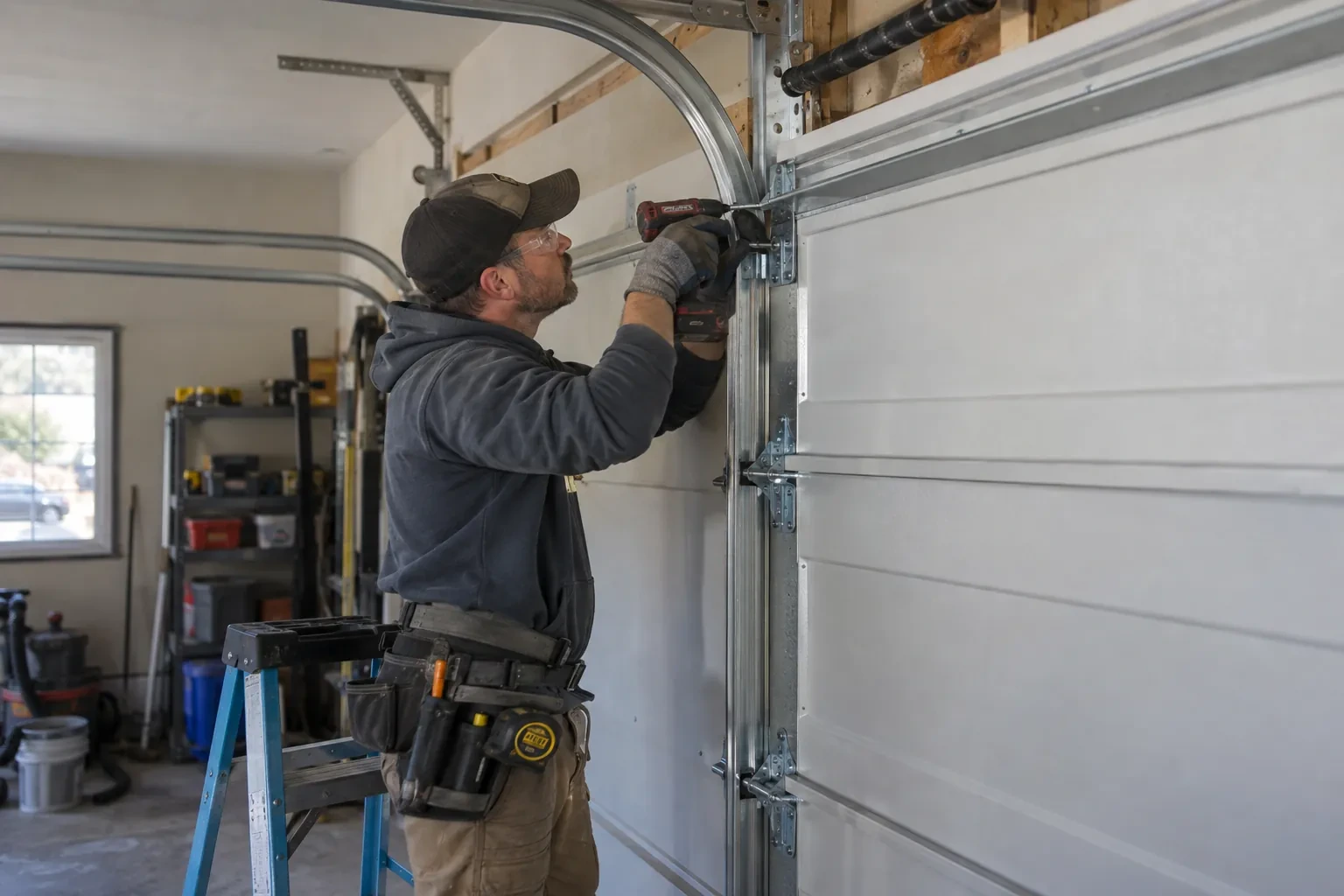
After a week of lifting the door by hand you pressed the button, hoping it would catch. Instead the motor grinds, the trolley thumps against the end of the rail, and the little lever that should snap back stays stubbornly upright.
Call now · open 24/7(289) 804-5732Right now
Before the door is looked at
Call (289) 804-5732, open 24/7.
Pull the release with the door fully closed whenever possible, and keep the opening clear as you do. Once the trolley lets go, the door is held by its springs alone, and a closed door can still shift unexpectedly.
Lift a door by its handles or the gripping points on the panel face, never at the joint between sections, which closes as the door bends around the track.
Never drive a vehicle at a closed door to get out; the door collapses and the stored tension in the counterbalance is released. Use the release, the outside key release, or a technician.
In plain words
Most households meet the release for the first time in a power outage, usually in winter. The door is shut, the car is inside, and the red handle is the only way to move the door. This service makes that moment go smoothly: a handle that hangs where a person can reach it, a cord strong enough to throw the lever, a trolley that lets go cleanly, and a door that lifts without a fight once it is free. The technician also shows everyone in the house the sequence, including how to hold the trolley out for a few days of manual use and how to reconnect afterwards.
How the visit goesSomeone pulled the cord last spring to get a car out during an outage, and the door has never properly rejoined the opener. Press the button and the trolley glides along the rail by itself while the door stays exactly where it is.
Emergency Release Repair · Toronto
How the visit goes
- 1
Why the trolley will not latch
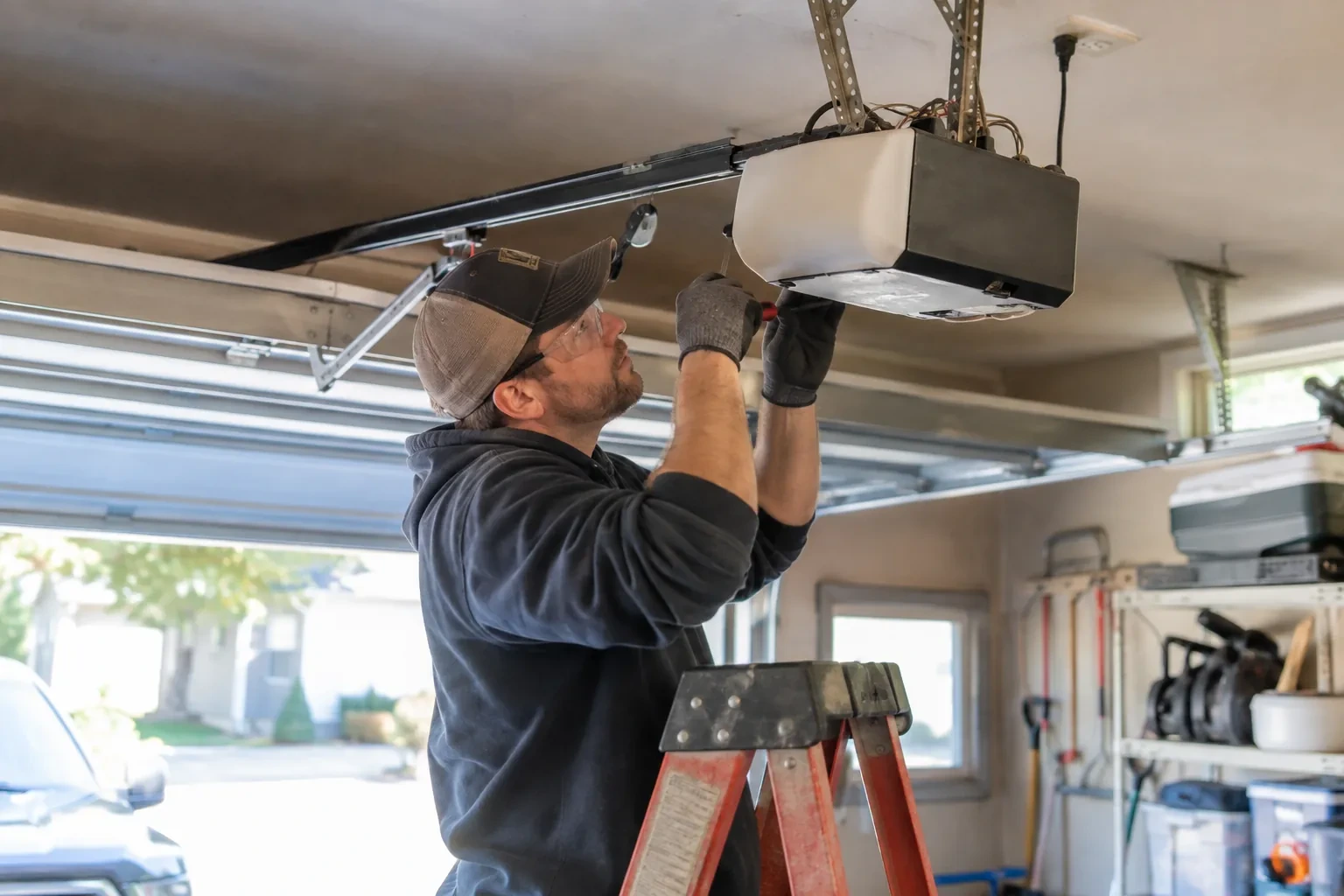
When the complaint is a trolley that runs but never reconnects, the technician looks for the usual reasons. The cord may have been pulled back toward the opener, which on many rails deliberately holds the lever out for repeated manual use, and simply never returned. The trolley may have been driven into the stop bolt or stop tab at the end of the rail after the travel limits drifted, so it sits jammed with the motor humming. The latch teeth may be worn, or the release arm bent so it can no longer drop into place. Each of these has a different fix, and telling them apart takes a minute with the cover off.
- 2
Setup and safety tests after the work
Because the drive tension, travel limits or trolley were disturbed, the opener is set up again before the visit ends. Travel is adjusted so the door seals on the floor without hammering and stops clear of the header; force is left as low as reliably moves the door. Then the two reversal tests: a 2x4 laid flat under the centre of the door must send it back up on contact, and an object passed through the photo-eye beam while closing must do the same. The release cord is checked one last time for height and clearance, and the door is run from each control you own.
- 3
Keys for the outside release
Where an outside key release was fitted or repaired, you leave with two keys and the cylinder proven from the driveway. One key belongs on your ring; the other belongs somewhere outside the garage, with a neighbour or in a lockbox, since a spare inside the garage is behind the very door it opens. In winter, keep the cylinder face clear of slush and give it a puff of dry lock lubricant before the cold sets in. The release only disconnects the door; lifting still happens by hand, using the door's handle, so the balance check the technician did today is what makes that lift easy.
In the van
- 2x4 offcut for the reversal test
- Trolley and carriage assembly
- Hole saw for the top section
- Outside key release kit (lock, cable, keys)
- Release cable and clips
What affects the quote
- 1
Distance to your door
Every visit includes the drive. A property on the edge of the service area or down a long rural road takes more of the technician's day than one a few streets away, and the quote allows for it.
- 2
Travel and tension reset
Where the trolley was freed or swapped, the chain or belt is re-tensioned and the travel limits are reset, then the reversal tests repeated. That setup time is part of the job and shown as such.
- 3
Demonstration and labelling
Walking the household through the release, fitting a fresh warning and instruction label near the wall control, and adding handles or gripping points to the door are small tasks that are itemized when they are part of the visit.
Same fees day, night or weekend.
Emergency Release Repair: questions
The outside release lock froze. How do I stop that happening again?
Salt spray and meltwater get into the keyway during a thaw and freeze overnight, the same way they do in a house lock. Keep the cylinder face clear of slush, give it a puff of dry lock lubricant before the cold sets in, and carry a small de-icer through the winter. A weather cap over the cylinder helps on a door that faces the road. The technician cleans and treats the cylinder as part of any outside release repair.
Why should the door be closed before I pull the handle?
Because once the trolley lets go, the door is held only by its springs. A well-balanced door will stay put wherever it is, but a door whose springs are tired can drop, and one that is over-tensioned can rise on its own. Even with the door already on the floor it can still move unexpectedly, so keep the opening clear whenever the release is pulled. The industry checklist and opener makers give the same instruction: disconnect with the door fully closed.
I pulled the release and the door was very heavy. Is the release broken?
The release did its job; the weight is the door telling you its springs are no longer carrying it. A balanced door lifts with modest effort and holds still at about a metre. A heavy one needs the counterbalance looked at, which is work with winding bars for a technician trained for tensioned hardware. During the visit the door side is corrected first, then the release is put back into use on a door that lifts as it should.
Openers & Access
Bigger photo, sooner job: Emergency Book soon Plan ahead
 Book soonGarage Door Opener Diagnosis and RepairThe door stops partway up for no reason, or opens fine and then refuses the next time.
 Book soonChain-Drive Opener RepairThe chain hangs in a loop under the rail and slaps against it on every cycle.
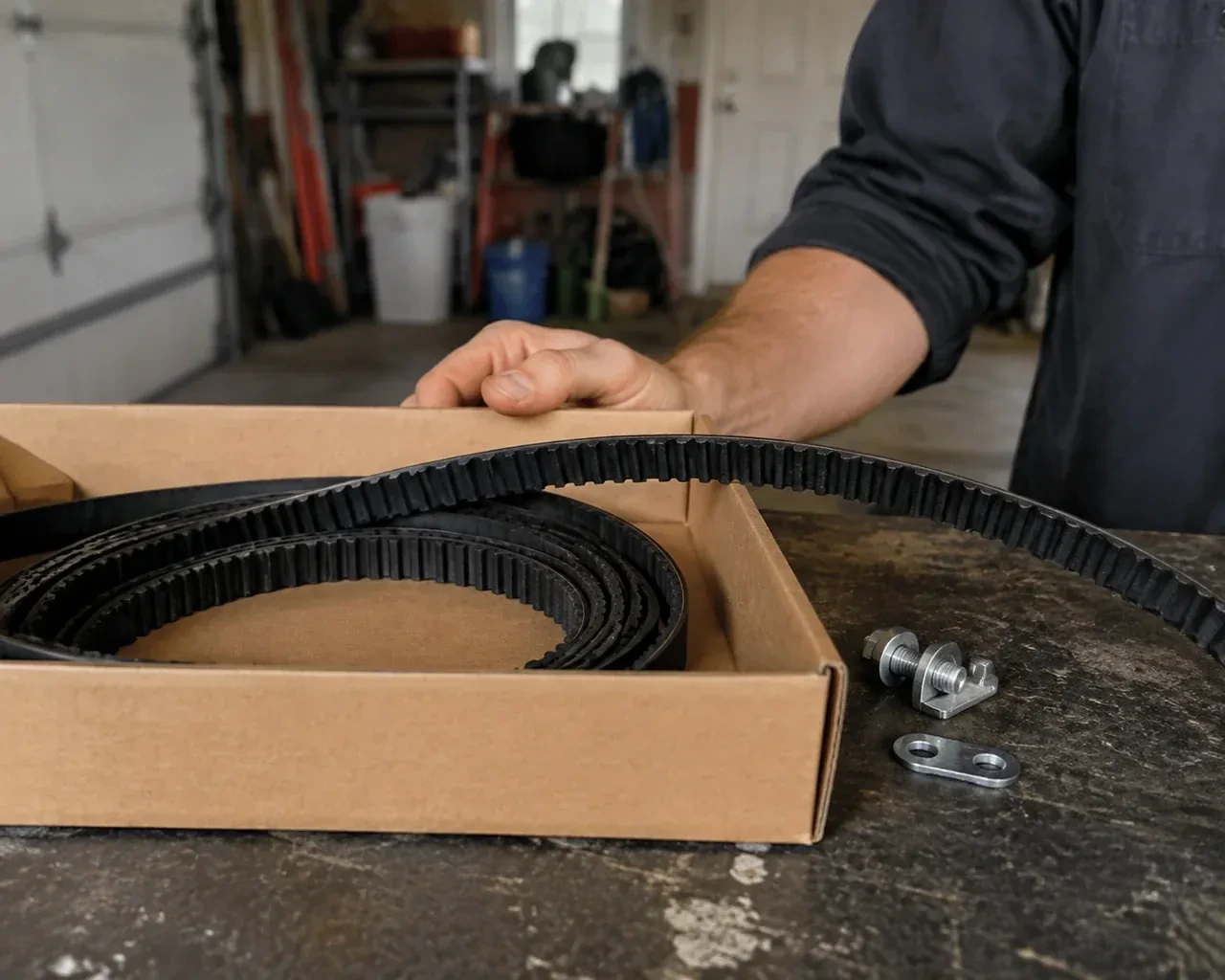 Book soonBelt-Drive Opener RepairPress the remote and the motor runs its full cycle, lights on, the usual whir, but the door does not move a centimetre.
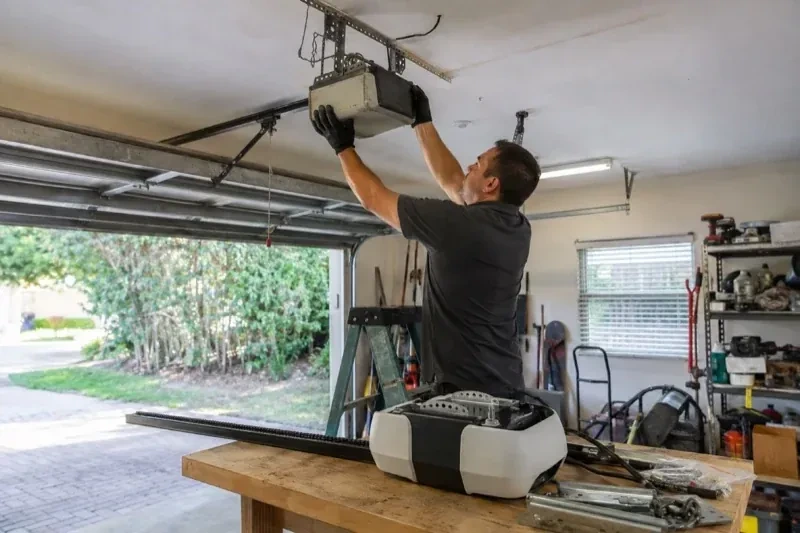 Plan aheadGarage Door Opener Replacement
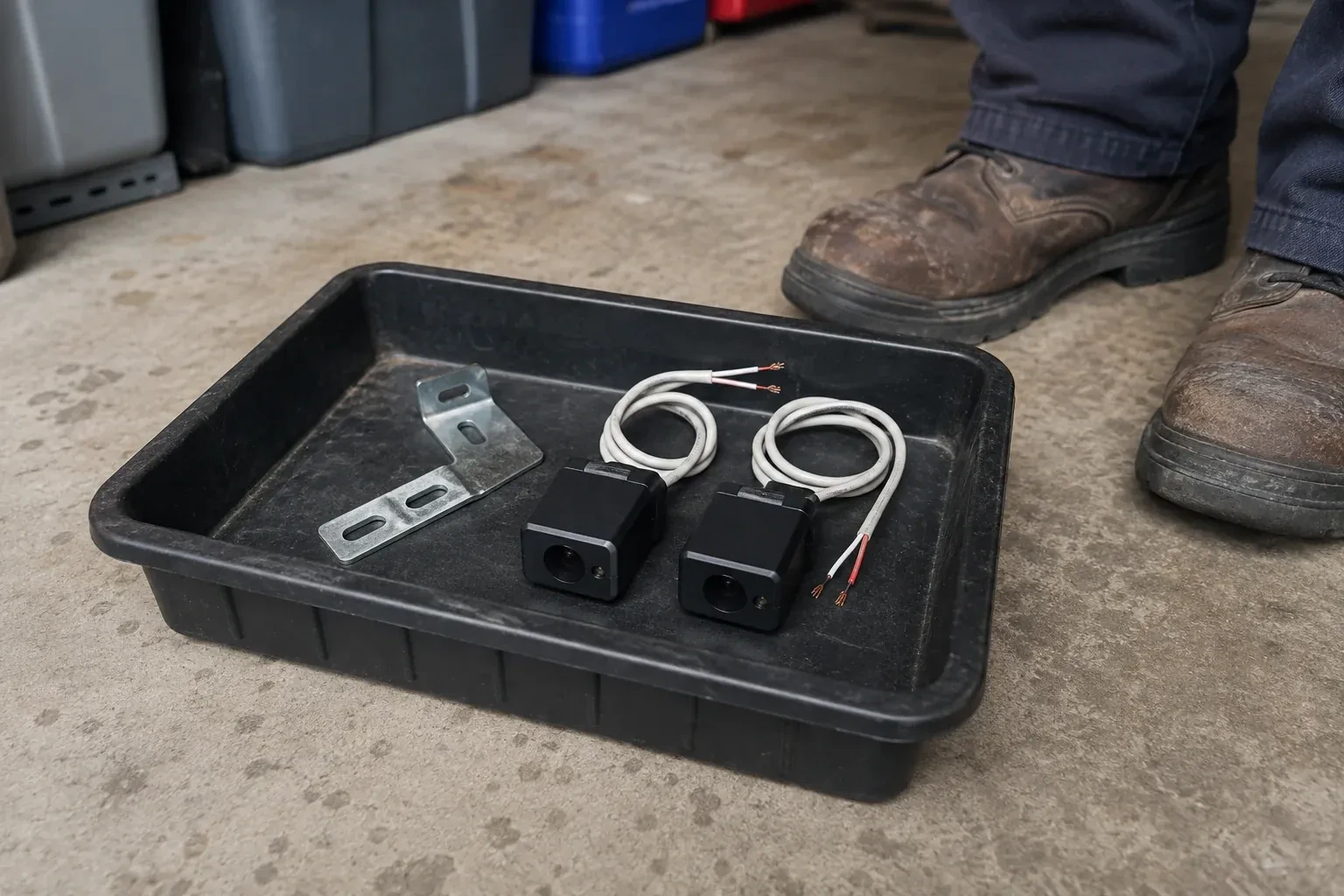 Book soonPhoto-Eye Sensor Alignment or ReplacementSomeone backed the car in a little too far, a bin or a bicycle brushed the track, and since then the door starts to close and…
Emergency Release Repair near you
Toronto, Ontario
Toronto information
- Town
- Toronto, Ontario
- In business
- 12 years
- Hours
- Open 24/7 · nights, weekends and holidays, same fees
- Phone
- (289) 804-5732
- Visits
- On-site assessment preferred. Request a visit or call.
What the census means at the door
58%
Older homes. About 58% of homes in Toronto were built in 1980 or earlier, according to the 2021 Census.
Older houses frequently have a garage door that was replaced once already, sometimes with a door chosen for the opening rather than the building. When that door reaches its end, there is a chance to pick a style that suits the house properly, and we measure with that in mind.
23%
Single-detached houses make up about 23% of homes in Toronto (2021 Census).
Attached housing frequently has tandem or tight garages with limited headroom and little side room, so replacement openers and tracks are chosen to fit those dimensions. A low-headroom track kit or a wall-mounted jackshaft opener often solves what a standard unit cannot.
Nearby
Open 24/7
Request a visit
After a week of lifting the door by hand you pressed the button, hoping it would catch.
Call now · open 24/7(289) 804-5732- On-site assessment preferred
- Same fees day, night or weekend
- 12 years in business