Book soon Openers · Chestnut Hills
Chain-Drive Opener Repair in Chestnut Hills
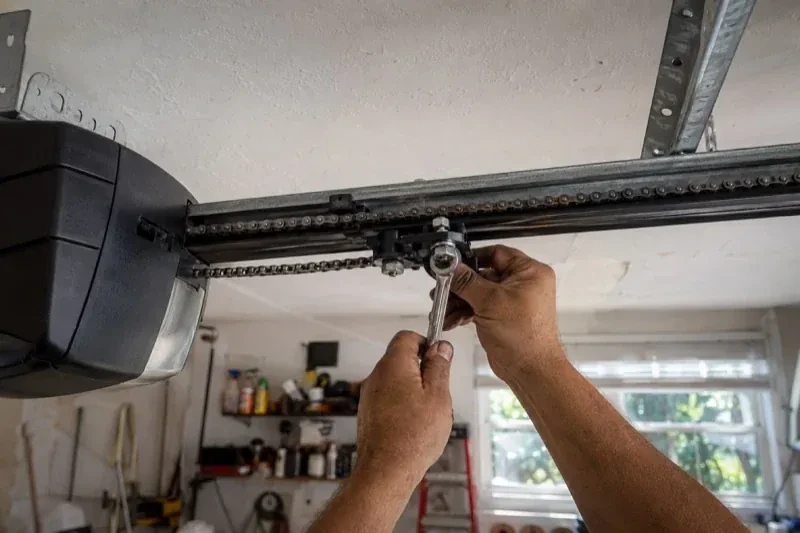
The chain hangs in a loop under the rail and slaps against it on every cycle. It used to sit snug.
Call now · open 24/7(289) 804-5732Right now
Before the door is looked at
Call (289) 804-5732, open 24/7.
Pull the release with the door fully closed whenever possible, and keep the opening clear as you do. Once the trolley lets go, the door is held by its springs alone, and a closed door can still shift unexpectedly.
Never raise the force setting to push a door through a frozen seal, a stiff track or a tired spring; force is set as low as reliably closes the door, and the reason the door is hard to move is fixed instead.
In plain words
The trolley is the carriage that rides the rail carrying the door arm, and many chain-drive calls end there. If travel limits creep, the trolley runs onto the stop bolt at the end of the rail and the motor hums against it. If the chain was run off the sprocket, the trolley and the motor disagree about where the door is, and the door travels partway no matter how the limits are turned. The technician frees the trolley, puts the chain back in phase with the motor's closed position, resets the limits and confirms the release lever picks the door arm up cleanly.
How the visit goesThe chain hangs in a loop under the rail and slaps against it on every cycle. It used to sit snug. Now the whole house hears the door leave, and the sound has a metallic clatter it never had before.
Chain-Drive Opener Repair · Chestnut Hills
How the visit goes
- 1
Trolley, release lever and the stop bolt
The trolley is looked at in two ways: where it sits and how it is wearing. With the door closed, the trolley should rest near the door end of the rail without touching the stop tab; with the door open, short of the stop bolt near the head. A trolley jammed against either stop explains a humming motor. The release lever is checked for a bent arm or a worn latch that lets the trolley slide past the door arm without picking it up. The technician also confirms the trolley and the motor agree about the door's position, since a chain that was run off the sprocket puts them out of phase and no amount of limit adjustment corrects that.
- 2
Renewing the drive gear and sprocket
When the gear has stripped, the head is unplugged and the chain is slackened at the trolley and lifted off the sprocket. The old sprocket shaft assembly, drive gear and worn worm gear come out, the shavings are cleaned from the housing, and the model's own gear kit is fitted with a fresh bed of white lithium grease on the teeth. The sprocket is seated and the shaft checked for smooth turning without side play. The chain goes back over the new sprocket with the motor at its closed position so the drive stays in phase, and tension is set before the door is reconnected and the limits are confirmed.
- 3
Two tests once a month
The protection built into the operator only counts if it still works, and two short checks each month keep you sure of it. Lay a scrap of 2x4 flat on the floor under the middle of the door and close it from the wall button; the door should climb back to open the moment it touches the wood. Then, with the door closing again, pass a broom handle through the beam of the low sensors; the door should reverse just the same. If either test is failed, stop using the operator and book an adjustment. It is a setting, and a small one, but it is the one that matters most.
In the van
- Motor start capacitor
- Cold-rated garage door lubricant
- Trolley release lever
- White lithium grease
- RPM sensor
What affects the quote
- 1
A detached or unheated garage
Cold-rated lubricant, a chain replaced rather than freed, and force set for low temperatures are choices made for a garage that sees winter, and they show in the parts and the time.
- 2
Two operators in one visit
A double garage with two chain drives, or a house and a detached workshop, share the travel and setup and are quoted as one visit with two repairs.
- 3
Rail hardware and hangers
Loose hangers, a header bracket that has pulled from the framing, or splice plates that need renewing add fasteners, angle iron and time on the ladder to a job that might otherwise be an adjustment.
Same fees day, night or weekend.
Chain-Drive Opener Repair: questions
How do I know whether my opener is a chain drive?
Look along the rail from the motor head to the door. A chain drive shows a steel roller chain, like a heavier bicycle chain, running along the top or inside a channel of the rail and over a toothed sprocket on top of the head. A belt drive has a flat rubber belt in the same place, and a screw drive has a threaded steel rod inside the rail with no chain or belt at all.
Should I use the slide lock on the door with a chain drive?
No. The manual slide lock on the door is disabled or removed once an operator is connected, and the technician checks that during the repair. A motor pulling against a locked door strains the chain, strips the drive gear and can bend the top section of the door. If you want the door secured against remotes, the lock button on the wall control switches them off, and a track lock designed to work with an operator does the rest.
Can you turn the force up so the door closes on cold mornings?
Force is set to the lightest level that moves the door reliably, and it is raised only a little for a cold garage. Turning it up further to overcome a heavy door or a seal frozen to the slab is not done, because too much force interferes with the safety reversal and can bend the top section. If the door is hard to move in the cold, the springs, rollers or the frozen seal are dealt with instead.
Openers & Access
Bigger photo, sooner job: Emergency Book soon Plan ahead
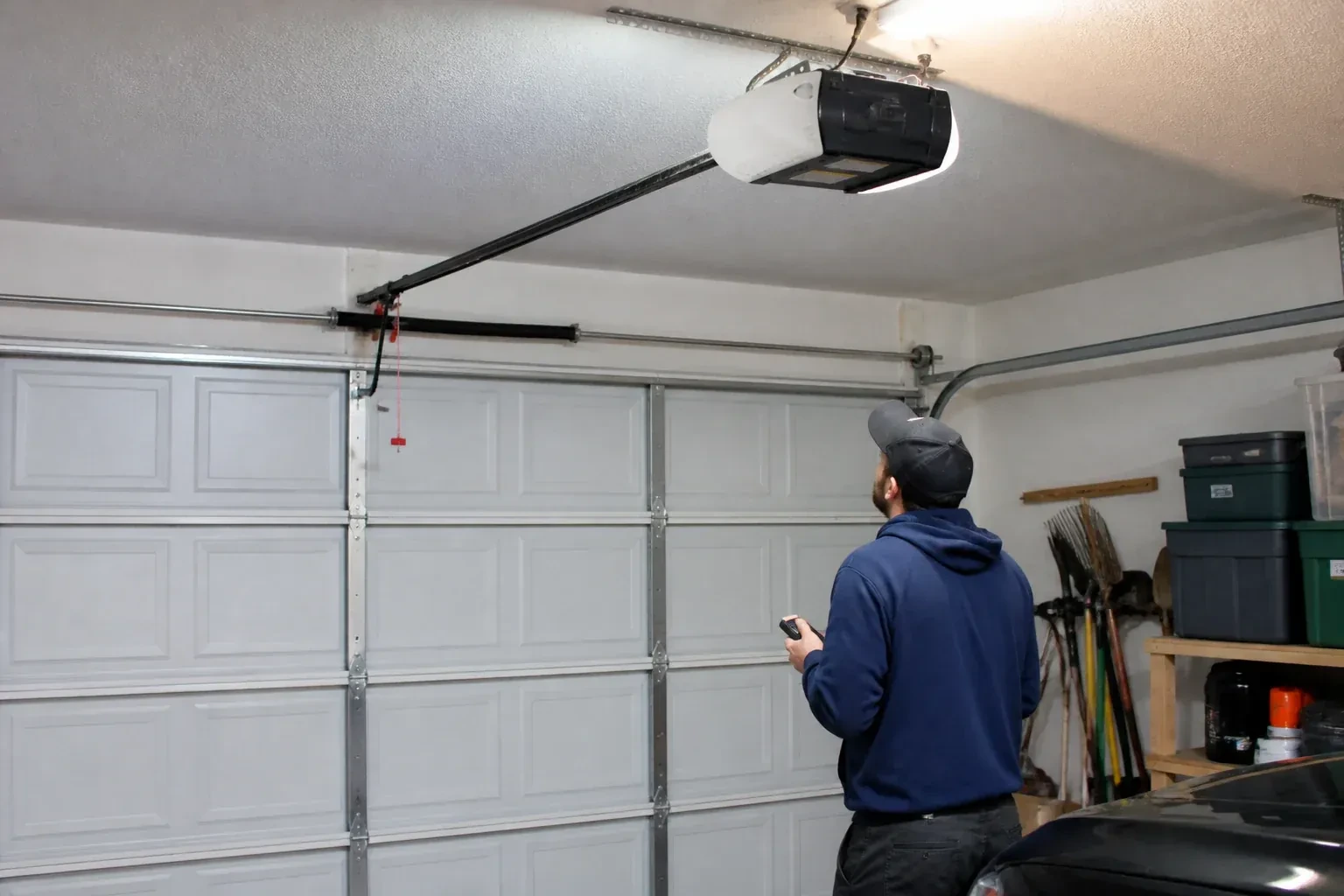 Book soonGarage Door Opener Diagnosis and RepairThe door stops partway up for no reason, or opens fine and then refuses the next time.
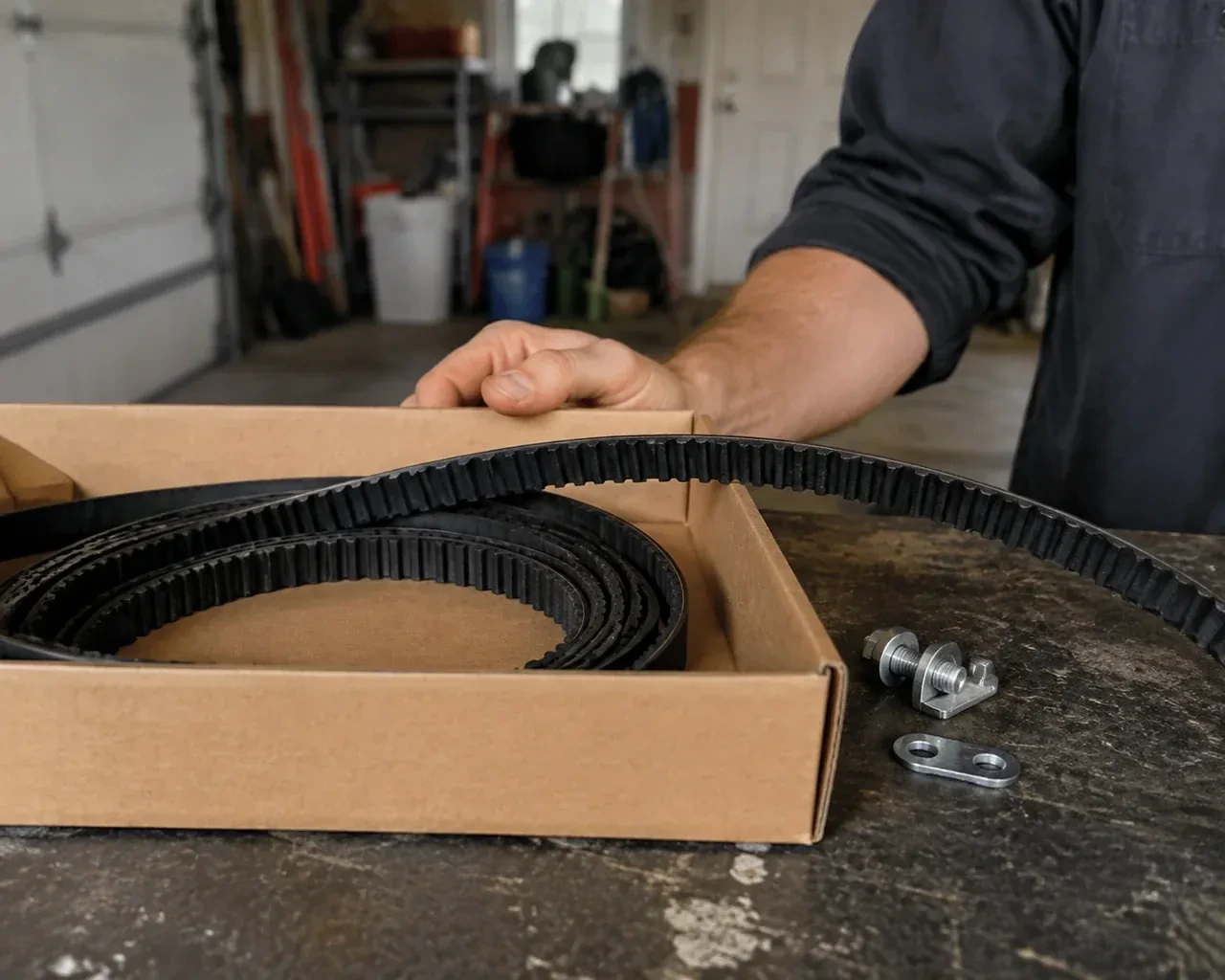 Book soonBelt-Drive Opener RepairPress the remote and the motor runs its full cycle, lights on, the usual whir, but the door does not move a centimetre.
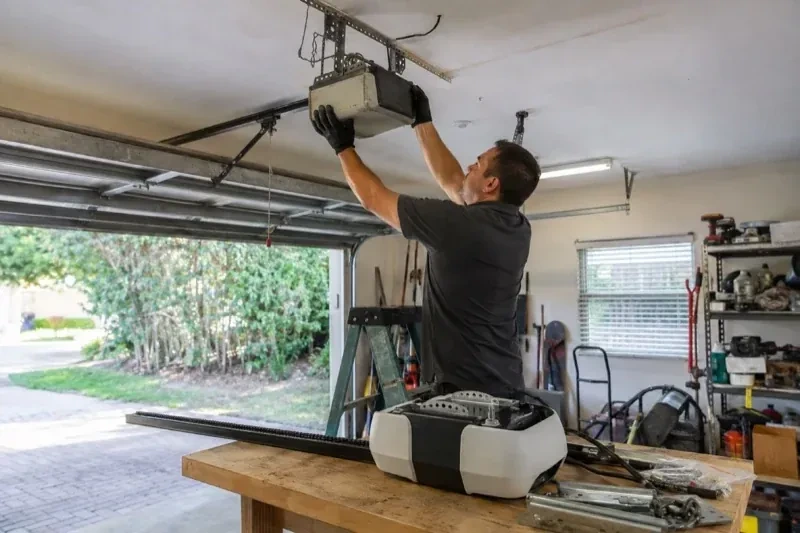 Plan aheadGarage Door Opener Replacement
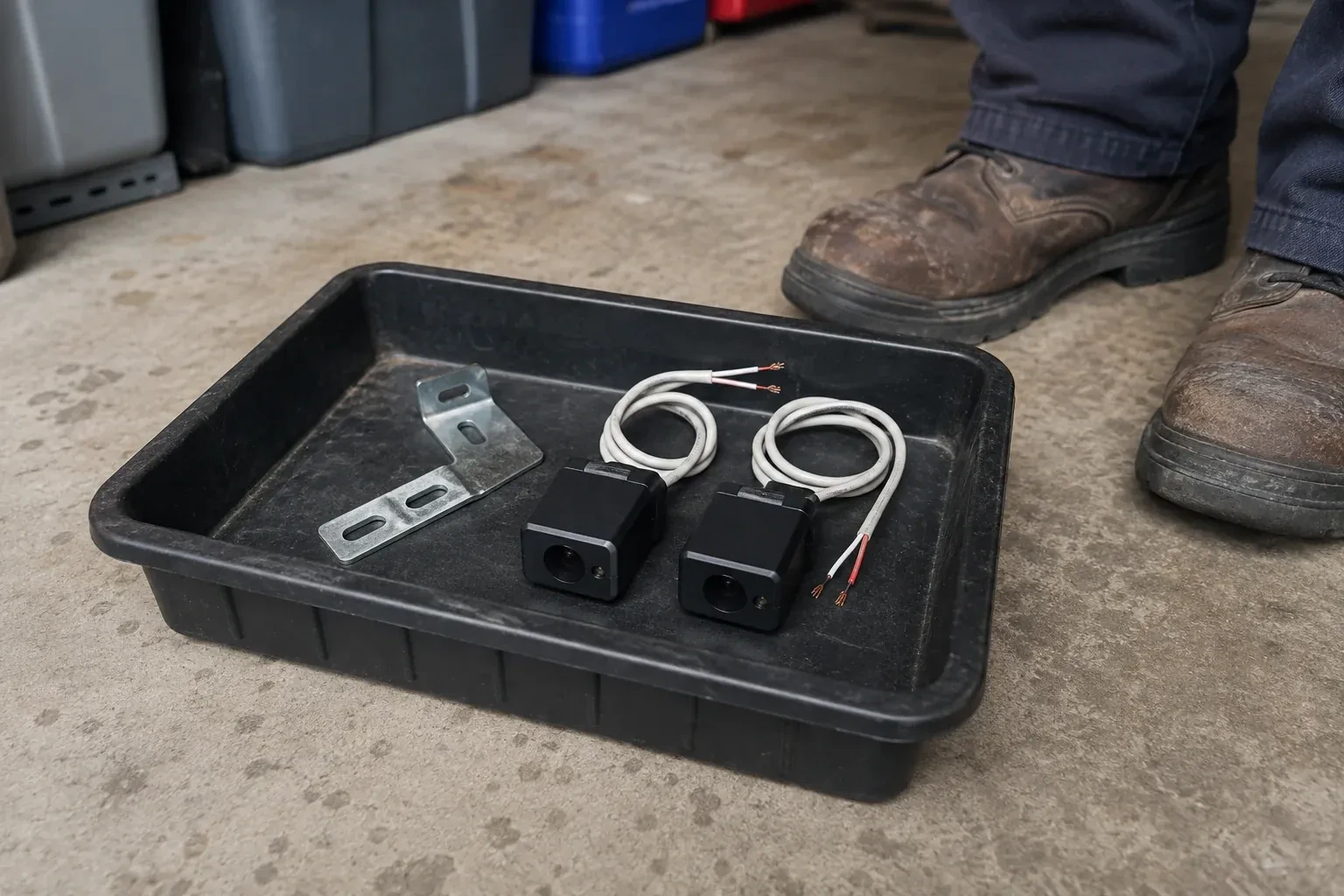 Book soonPhoto-Eye Sensor Alignment or ReplacementSomeone backed the car in a little too far, a bin or a bicycle brushed the track, and since then the door starts to close and…
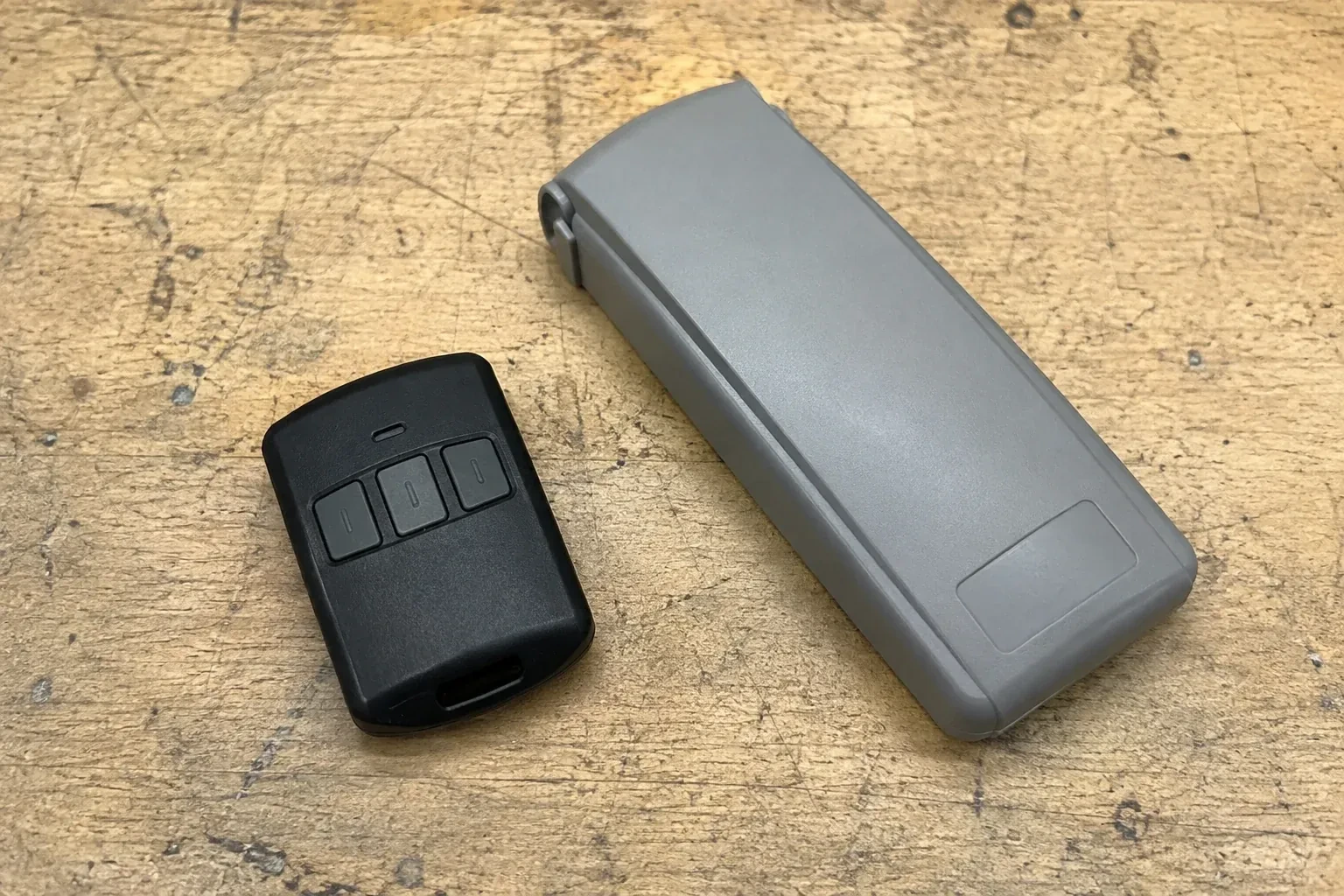 Plan aheadGarage Door Remote and Keypad Programming
Chain-Drive Opener Repair near you
Toronto, Ontario
Chestnut Hills information
- Town
- Chestnut Hills, Toronto, Ontario
- In business
- 12 years
- Hours
- Open 24/7 · nights, weekends and holidays, same fees
- Phone
- (289) 804-5732
- Visits
- On-site assessment preferred. Request a visit or call.
What the census means at the door
58%
Older homes. About 58% of homes in Toronto were built in 1980 or earlier, according to the 2021 Census.
Older garages are frequently used as workshops or storage as much as parking, which means the door opens many times a day and collects dust on the sensors. Sealed rollers, protected photo-eyes and a tune-up schedule suit that pattern well.
23%
Single-detached houses make up about 23% of homes in Toronto (2021 Census).
Townhouse and condo owners often share responsibility for the door with a board or property manager, so we provide a clear written report after each visit: what was found, what was replaced and what is likely to need attention next, ready to pass along.
Open 24/7
Request a visit
The chain hangs in a loop under the rail and slaps against it on every cycle.
Call now · open 24/7(289) 804-5732- On-site assessment preferred
- Same fees day, night or weekend
- 12 years in business